Markets in Porto are closely tied to the city’s identity. They have always been more than commercial spaces. They reflect how people live, what they eat, and how daily routines are shaped around food and social interaction.
For generations, markets were at the centre of neighbourhood life. People would come not only to buy fresh fish, vegetables, or local products, but also to talk, exchange news, and maintain a sense of community. Many of these habits are still present today, especially in the more traditional markets.
Explore the markets in Porto
At the same time, Porto’s markets have adapted to changing habits. While some remain largely unchanged, others now combine traditional commerce with dining and social spaces.
Together, they offer a glimpse into the city’s culture, showing how tradition and everyday life continue to shape Porto today.
Here are some of the most important markets and traditional fairs in Porto.
1. Mercado do Bolhão
Mercado do Bolhão is the most iconic market in Porto and one of the clearest examples of the city’s traditional food culture. Located in the Baixa area, it has been part of daily life in Porto for generations.
Even after its renovation, it still keeps a strong connection to its original identity, with long-standing vendors and a rhythm that feels very close to how the market has always worked. The historic building itself has become one of the city’s best-known landmarks.
Location: Right in the city centre, a few minutes from Rua de Santa Catarina and Avenida dos Aliados. Easy to reach on foot from most central areas. Find the location here.
2. Mercado do Bom Sucesso
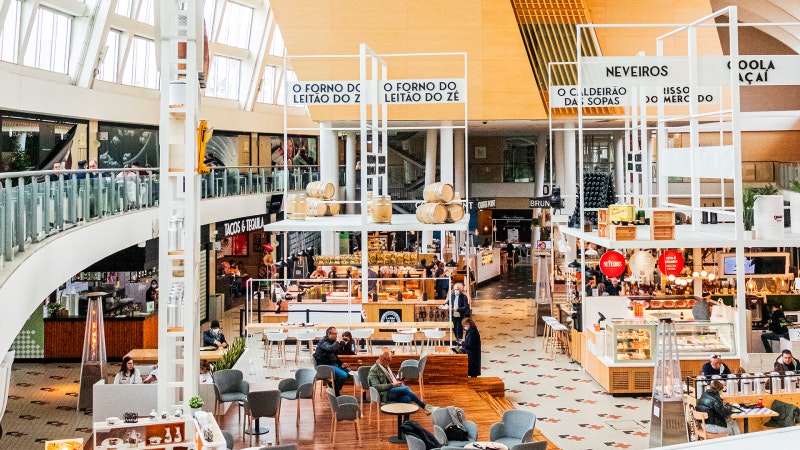
Mercado do Bom Sucesso shows a more modern side of Porto’s market culture. Located in the Boavista area, it brings together food stalls and casual dining in a shared indoor space.
What makes it interesting is the variety. You can find everything from traditional Portuguese dishes to more contemporary options, making it a popular meeting point for both locals and visitors.
Location: Near Casa da Música and Avenida da Boavista. Around 10 to 15 minutes from the city centre by metro or taxi.
3. Mercado Beira-Rio
Located on the riverside in Vila Nova de Gaia, Mercado Beira-Rio combines food stalls and casual dining with views over Porto. It has a more relaxed atmosphere compared to the city centre markets.
It is a place where people often stop to eat and spend time by the river rather than a traditional shopping market. Its location beside the Douro makes it a popular stop while exploring Gaia’s waterfront.
Location: On the Gaia riverfront, just a short walk from the Port wine cellars and the Dom Luís I Bridge.
4. Mercado de Matosinhos
Mercado de Matosinhos is strongly linked to the region’s fishing tradition. It is especially known for fresh fish and seafood, reflecting the importance of the Atlantic in local life.
The market itself is simple and functional, but the surrounding area is equally important, with many restaurants serving freshly grilled fish just a short walk away.
Location: In Matosinhos, around 20 to 25 minutes from Porto city centre by metro.
5. Mercado da Foz
Located in one of Porto’s best-known coastal neighbourhoods, Mercado da Foz offers a smaller and more local experience than some of the city’s larger markets.
The market reflects the relaxed character of Foz do Douro and its close relationship with the Atlantic, offering a quieter experience while remaining part of the neighbourhood’s daily life.
Location: Located in Foz do Douro, a short walk from the seafront and nearby beaches. Easily accessible by bus, taxi, or as part of a walk along the coast.
6. Traditional Street Markets and Fairs
Beyond the covered markets, Porto also has weekly street fairs that feel closer to traditional trading in the city. These are more informal spaces where everyday goods are sold and where local routines are still visible.
Here you can find a mix of items such as used clothes, books, small antiques, household goods, shoes, textiles, and seasonal products. They are not designed around tourism, which gives them a more authentic feel.
Some of the best-known examples include Feira da Vandoma in the Campo 24 de Agosto area (usually on Saturdays), Feira da Senhora da Hora in Matosinhos (Wednesdays and Saturdays), and Feira de Custóias (Sundays), which has a smaller and more local character.
Location: Different neighbourhoods across Porto and surrounding areas, depending on the day of the week. Most are accessible by metro or short local travel from the city centre.
Discovering More of Porto
Markets in Porto offer a unique insight into the city’s daily life, where food, tradition, and community continue to play an important role. From historic market halls to local street fairs, each one reflects a different side of Porto and its culture.
This chapter is just one part of the story. Throughout this ebook, you’ll discover many other places that help define the city, from historic landmarks and green spaces to riverside walks, local traditions, and cultural highlights.